
 Telepon
: +1 2403149021
Telepon
: +1 2403149021 Mail: kliu@jiechi.com
Telepon
: +1 2403149021Mail: kliu@jiechi.com


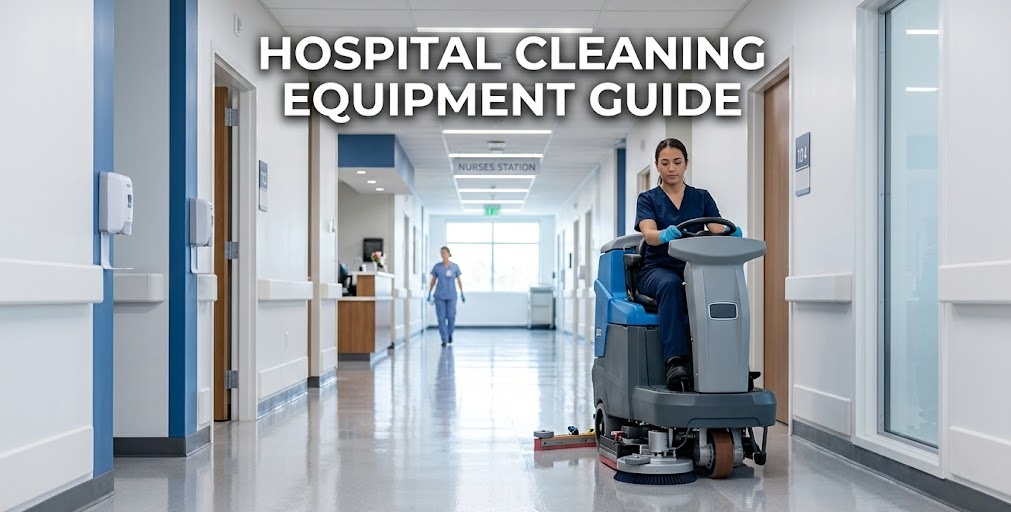
Rumah sakit menuntut standar kebersihan tertinggi. Tidak seperti gudang atau ruang ritel, fasilitas medis harus memenuhi protokol pengendalian infeksi yang ketat, menjaga operasi yang tenang di dekat kamar pasien, dan menangani berbagai jenis lantai — dari vinil dan linoleum hingga beton dan ubin yang dilapisi. Memilih yang salah peralatan pembersih lantai rumah sakit dapat membahayakan kebersihan, meningkatkan biaya tenaga kerja, dan bahkan melanggar peraturan kesehatan.
Panduan ini akan memandu Anda melalui setiap faktor kunci, membantu Anda memilih solusi pembersihan yang ideal untuk fasilitas medis Anda.
Mengapa Pembersihan di Rumah Sakit Berbeda?
Sebelum membandingkan mesin-mesin, ada baiknya memahami tuntutan unik dari lingkungan perawatan kesehatan.
Pengendalian infeksi adalah prioritas utama. Kontaminasi silang merupakan risiko yang selalu ada. Mesin yang menyebarkan air kotor dari satu bangsal ke bangsal lain dapat merusak kerja sanitasi selama berjam-jam. Rumah sakit membutuhkan peralatan yang terus menerus mengalirkan air bersih dan menyaring air kotor ke dalam tangki terpisah — fitur standar pada mesin pembersih lantai berkualitas.
Tingkat kebisingan itu penting. Istirahat pasien dan komunikasi antar staf sangat penting. Mesin pembersih lantai dengan tingkat kebisingan di atas 70 dB dapat mengganggu ruang pemulihan dan unit neonatal. Banyak mesin modern menawarkan mode senyap di bawah 60 dB, sehingga cocok untuk pembersihan siang hari di dekat ruangan yang sedang ditempati.
Keragaman lantai itu nyata. Sebuah rumah sakit mungkin memiliki lantai vinil di kamar pasien, teraso di lorong, epoksi di apotek, dan ubin keramik di kamar mandi. Peralatan yang tepat harus mampu mengakomodasi jenis sikat atau bantalan yang dapat diganti.
Langkah 1: Sesuaikan Jenis Mesin dengan Ukuran Fasilitas Anda
Ukuran rumah sakit sangat beragam, dan mesin yang tepat bergantung pada luas ruangan, lebar lorong, dan frekuensi pembersihan.
Mesin Pembersih Lantai Dorong Ideal untuk fasilitas kecil hingga menengah seperti klinik, rumah sakit spesialis, atau departemen individual dalam kompleks yang lebih besar. Alat ini ringkas, mudah dipindahkan, dan mudah disimpan. mesin pembersih lantai dorong Dengan jalur pembersihan 20" hingga 26" sangat cocok untuk koridor dengan lebar 4 hingga 6 kaki.
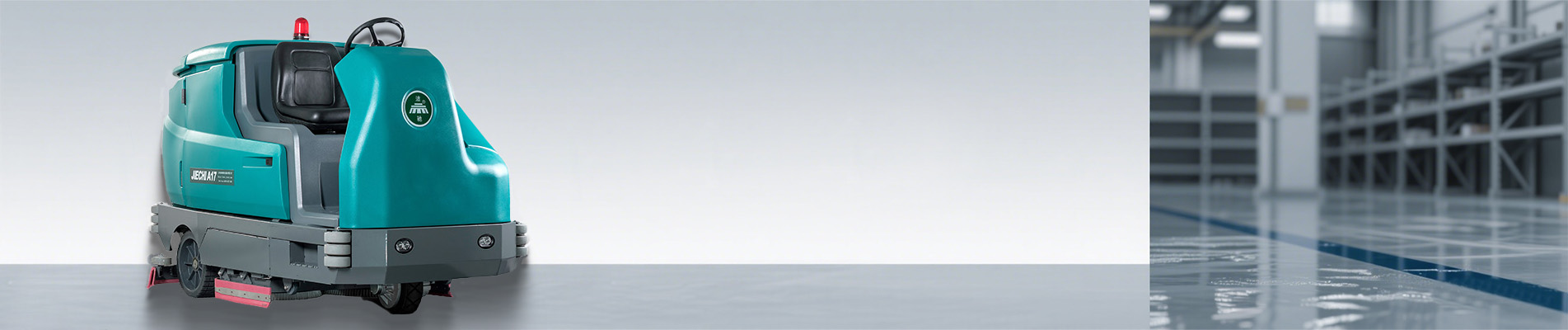
Mesin Pembersih Lantai yang Dapat Dikendarai Cocok untuk rumah sakit besar dengan luas lantai keras lebih dari 50.000 kaki persegi. Mesin ini mampu membersihkan area yang lebih luas per jam—biasanya 40.000 hingga 70.000 kaki persegi per jam—sehingga secara signifikan mengurangi biaya tenaga kerja. mesin pembersih lantai yang dapat dinaiki Dengan dek pembersih berukuran 28" hingga 36", ini adalah pilihan yang tepat untuk lorong utama, lobi, dan lantai departemen gawat darurat.
Mesin Pembersih Lantai Otomatis Robot merupakan pilihan yang sedang berkembang bagi rumah sakit yang ingin mengoptimalkan pen staffing. Mesin robot ini dapat membersihkan zona yang ditentukan selama jam malam, sehingga staf kebersihan dapat fokus pada tugas-tugas disinfeksi yang sering disentuh.
Langkah 2: Prioritaskan Fitur Pengendalian Infeksi
Lantai rumah sakit merupakan tempat berkembang biaknya bakteri dan virus. Setiap mesin pembersih lantai yang Anda pertimbangkan harus mendukung persyaratan pencegahan infeksi berikut:
Sistem Injeksi Kimia Memungkinkan operator untuk menambahkan disinfektan rumah sakit yang disetujui EPA langsung ke tangki larutan. Hal ini memungkinkan pembersihan dan disinfeksi secara bersamaan — penghemat waktu yang sangat besar bagi tim layanan lingkungan.
Desain Pembersih Kaca dan Tangki yang Higienis. Carilah mesin dengan tangki yang halus, mudah dibersihkan, dan tahan terhadap pembentukan biofilm. Beberapa model canggih memiliki aditif antimikroba yang dicetak ke dalam dinding tangki.
Penyaringan HEPA. Untuk alat pembersih udara yang digunakan di ruang operasi, ICU, dan ruang isolasi, filter HEPA pada kipas vakum mencegah partikel halus bersirkulasi kembali ke udara.
Langkah 3: Periksa Kompatibilitas Jenis Lantai
Tidak semua sikat pembersih memiliki kualitas yang sama. Memilih sikat yang salah dapat menggores lantai yang halus atau gagal menghilangkan kotoran membandel.
Penggerak Bantalan paling cocok untuk lantai yang halus dan elastis seperti lembaran vinil, linoleum, dan beton poles. Sebuah pilihan yang baik mesin pembersih lantai dorong dengan penggerak bantalan Dapat digunakan dengan berbagai jenis bantalan, mulai dari bantalan pengikis yang agresif hingga bantalan pemoles ultra-halus untuk hasil akhir yang sangat mengkilap.
Sikat Cakram Cocok untuk permukaan bertekstur sedang seperti ubin quarry dan teraso. Memberikan daya gosok yang baik tanpa keausan berlebihan.
Sikat Pembersih Silinder Menggunakan sikat rol berputar berlawanan arah yang menjebak kotoran di antara sikat dan lantai. Sikat ini sangat efektif menyapu kotoran ke dalam tangki penampungan tanpa memerlukan penyapuan terpisah — ideal untuk pintu masuk rumah sakit dan area dengan lalu lintas tinggi.
Langkah 4: Evaluasi Teknologi Baterai
Jadwal pembersihan rumah sakit seringkali berlangsung 24/7, dengan beberapa shift yang mencakup zona berbeda. Waktu pengoperasian baterai dan kecepatan pengisian daya secara langsung memengaruhi efisiensi operasional.
Baterai Lithium-Ion telah menjadi standar untuk modern mesin pembersih lantai komersialBaterai ini mengisi daya 3 kali lebih cepat daripada baterai timbal-asam tradisional, tidak memiliki efek memori, dan dapat diisi ulang selama istirahat. Untuk rumah sakit yang menjalankan dua shift pembersihan per hari, baterai lithium-ion dapat menghilangkan kebutuhan akan satu set baterai tambahan.
Baterai Asam Timbal tetap menjadi pilihan yang hemat biaya untuk fasilitas yang lebih kecil dengan jadwal pembersihan harian tunggal. Meskipun lebih berat dan membutuhkan perawatan air secara teratur, penghematan di awal bisa signifikan.
Spesifikasi penting yang perlu diperiksa: Carilah mesin dengan waktu operasional minimal 3,5 jam dalam beban normal untuk cakupan kerja penuh.
Langkah 5: Pertimbangkan Faktor Lingkungan dan Keselamatan
Pembersihan Tanpa Bahan Kimia. Beberapa alat pembersih canggih menggunakan teknologi air elektrolisis (kadang-kadang disebut "air aktif" atau "air EC") untuk membuat larutan pembersih dan sanitasi dari air keran dan garam. Hal ini menghilangkan kebutuhan untuk mengangkut dan menyimpan konsentrat kimia — sebuah keuntungan nyata di rumah sakit di mana keamanan bahan kimia menjadi perhatian.
Ketahanan terhadap selip. Lantai basah merupakan masalah di fasilitas mana pun, tetapi sangat berbahaya di rumah sakit di mana pasien mungkin tidak stabil saat berdiri. Mesin dengan sistem pembersih yang agresif yang membuat lantai hampir kering setelah satu kali lewat sangat disarankan.
Kemampuan manuver. Koridor rumah sakit seringkali dipenuhi dengan stasiun pembersih tangan, troli darurat, dan kursi roda. Radius putar yang sempit (kurang dari 40 inci untuk model yang didorong) membuat pembersihan harian jauh lebih praktis. Untuk ruang yang lebih sempit, mesin pembersih lantai mini yang dioperasikan dengan cara didorong Menawarkan kemampuan manuver yang sangat baik di koridor rumah sakit yang sempit.
Langkah 6: Tetapkan Anggaran yang Realistis
Peralatan pembersih perawatan kesehatan Ini adalah sebuah investasi. Mesin pembersih lantai dorong tingkat pemula harganya mulai sekitar $3.000 hingga $6.000. Model kelas menengah dengan fitur pengendalian infeksi penting berkisar dari $8.000 hingga $15.000. Model yang dapat dikendarai dan otonom harganya bisa mencapai $18.000 hingga $40.000+ tergantung pada kapasitas dan teknologinya.
Penting untuk menghitung total biaya kepemilikan, bukan hanya harga pembelian. Mesin yang sedikit lebih mahal dengan baterai lithium-ion dan sistem injeksi kimia dapat mengembalikan modalnya melalui penghematan tenaga kerja dan bahan kimia dalam waktu 12 hingga 18 bulan.
Membuat Pilihan yang Tepat untuk Rumah Sakit Anda
Memilih solusi pembersihan lantai fasilitas medis Ini adalah keputusan yang memengaruhi keselamatan pasien, efisiensi staf, dan biaya operasional. Mulailah dengan mensurvei jenis lantai fasilitas Anda, mengukur lebar koridor, dan meninjau jadwal pembersihan Anda saat ini. Kemudian cocokkan persyaratan tersebut dengan jenis dan fitur mesin yang dibahas di sini.
Pada Pembersihan JiechiKami mengkhususkan diri dalam mendesain mesin pembersih lantai untuk lingkungan yang menuntut, termasuk fasilitas perawatan kesehatan. Rangkaian produk kami meliputi model yang dioperasikan dengan cara didorong, dikendarai, dan model sikat silinder — semuanya dibangun dengan standar kebersihan, kebisingan, dan daya tahan yang dibutuhkan rumah sakit.
Punya pertanyaan tentang model mana yang cocok untuk rumah sakit Anda? Hubungi kami untuk konsultasi gratis — kami akan membantu Anda menemukan mesin yang tepat untuk kebutuhan spesifik fasilitas Anda.

 Telepon
:+1 2403149021
Telepon
:+1 2403149021 E-mail
:kliu@jiechi.com
E-mail
:kliu@jiechi.com

Tinggalkan pesan
Pindai ke Wechat :
Pindai ke WhatsApp :

 Indonesia


