
 Telepon
: +1 2403149021
Telepon
: +1 2403149021 Mail: kliu@jiechi.com
Telepon
: +1 2403149021Mail: kliu@jiechi.com


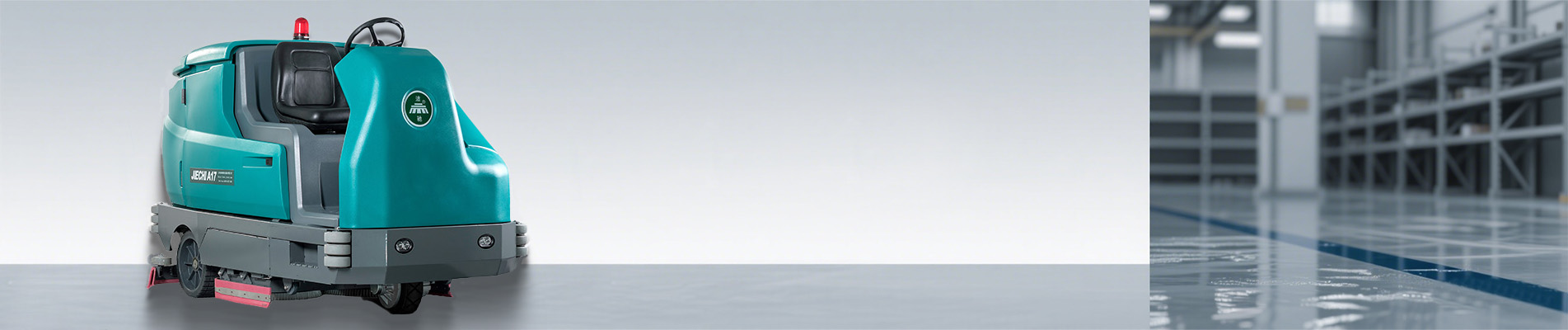
Lantai pabrik sering terlihat bersih tepat setelah disikat, tetapi dengan cepat menjadi kotor kembali. Penyebabnya bukanlah pembersihan yang buruk — melainkan kesalahan umum setelah pembersihan seperti menggunakan pad yang salah, melewatkan siklus pembilasan, dan mengabaikan perawatan squeegee. Perbaiki 5 kesalahan ini dan lantai Anda akan tetap lebih bersih lebih lama.
Poin Penting
- 🧽 Pemilihan pad yang salah menyebabkan pengendapan ulang kotoran — gunakan tingkat kekasaran yang tepat untuk jenis lantai Anda
- 💧 Melewatkan siklus pembilasan meninggalkan residu deterjen yang menarik kotoran
- 🪒 Squeegee yang aus meninggalkan kelembapan yang membawa kotoran kembali ke lantai yang sudah bersih
- 🚰 Tangki penampungan yang kotor mengurangi daya hisap dan meninggalkan lapisan film di permukaan
- ⏱️ Terburu-buru dalam waktu pengeringan berarti lalu lintas kaki meninggalkan jejak kotoran pada lantai yang masih basah
Anda baru saja selesai menyikat lantai pabrik Anda. Lantai terlihat bersih sempurna. Tetapi beberapa jam kemudian, lantai kembali tertutup kotoran dan bekas ban. Terdengar familiar?
Siklus yang menjengkelkan ini lebih umum daripada yang Anda pikirkan. Biasanya, masalahnya bukan pada mesin pembersih lantai gudang Anda — melainkan kesalahan kecil yang dilakukan selama atau setelah proses pembersihan.
Berikut adalah lima alasan umum lantai pabrik menjadi kotor kembali setelah dibersihkan — dan cara mengatasinya.
Kesalahan yang paling umum adalah menggunakan pad yang terlalu agresif atau terlalu lembut untuk permukaan lantai spesifik Anda — terutama saat mengoperasikan mesin pembersih lantai Pabrik yang diandalkan operator setiap hari.
Apa yang terjadi: Pad yang terlalu agresif menggores beton atau lapisan epoksi, menciptakan alur mikro tempat kotoran tertanam. Pad yang terlalu lembut tidak menghilangkan kotoran yang tertanam — hanya menyebarkannya.
Solusinya:
- Untuk beton halus: Gunakan pad kekasaran sedang (80–120) untuk pembersihan harian
- Untuk lantai epoksi atau berlapis: Gunakan pad kekasaran halus (150+) untuk menghindari goresan
- Untuk minyak dan lemak berat: Mulai dengan pad yang lebih agresif, lalu lanjutkan dengan pad yang lebih halus
- Selalu uji pada area kecil terlebih dahulu saat mengganti jenis pad
Larutan pembersih dirancang untuk mengangkat kotoran. Tetapi jika tidak sepenuhnya dihilangkan, residunya akan menarik kotoran baru hampir seketika.
Apa yang terjadi: Surfaktan dalam deterjen pembersih tetap tertinggal di permukaan lantai. Lapisan lengket ini menangkap debu, kabut minyak, dan karet ban dari forklift yang lewat dan lalu lintas kaki.
Solusinya:
- Gunakan proses dua langkah: sikat dengan deterjen, lalu bilas dengan air bersih
- Sesuaikan aliran air Anda — air bilasan yang terlalu sedikit meninggalkan deterjen
- Untuk area dengan kotoran berat, pertimbangkan lintasan kedua hanya dengan air bersih
- Gunakan formulasi rendah busa yang mudah dibilas yang dirancang untuk scrubber otomatis
Mesin sikat untuk lantai Anda hanya dapat mengambil air kotor jika squeegee dalam kondisi baik. Squeegee yang aus meninggalkan lapisan tipis air kotor yang mengering menjadi kabut yang terlihat.
Apa yang terjadi: Lantai beton yang panas mempercepat keausan karet. Bilah dengan goresan, retakan, atau pengerasan tidak dapat mempertahankan kontak yang tepat. Hasilnya: garis-garis, jejak air, dan kotoran yang mengendap kembali.
Solusinya:
- Periksa bilah squeegee setiap minggu — cari goresan, retakan, dan pengerasan
- Balik atau ganti bilah ketika tepinya kehilangan profil tajamnya
- Di musim panas (panas tinggi), periksa bilah setiap 2 minggu — karet mengeras lebih cepat
- Sesuaikan sudut squeegee dan tekanan ke bawah sesuai spesifikasi pabrikan
Scrubber Anda tidak dapat mengambil air kotor secara efektif jika sistem penampungan tersumbat atau kotor.
Apa yang terjadi: Tangki penampungan yang kotor mengurangi efisiensi vakum. Selang yang tersumbat dan filter yang mampet berarti air kotor tetap berada di lantai alih-alih tersedot ke dalam tangki. Bakteri dan jamur di dalam tangki juga menghasilkan bau yang berpindah kembali ke lantai.
Solusinya:
- Kosongkan dan bilas tangki penampungan setelah setiap shift
- Periksa selang vakum untuk penyumbatan — puing sering menumpuk di tikungan
- Bersihkan mekanisme shut-off pelampung — pelampung yang macet mematikan daya hisap
Ini adalah kesalahan yang paling sederhana dan paling sering diabaikan. Bahkan lantai yang dibersihkan dengan sempurna akan menunjukkan bekas ban dan jejak kaki jika lalu lintas dibiarkan sebelum permukaan benar-benar kering.
Apa yang terjadi: Lalu lintas pejalan kaki dan kendaraan di atas lantai yang lembap akan menyebarkan kembali sisa kelembapan yang bercampur dengan kotoran dari sepatu dan ban. Hasilnya terlihat seperti lantai tidak dibersihkan sama sekali.
Solusinya:
- Gunakan scrubber dengan pemulihan air yang efisien untuk meminimalkan waktu pengeringan
- Blokir area yang sudah dibersihkan setidaknya selama 15–30 menit setelah scrubbing
- Dalam kondisi lembap, perpanjang waktu pengeringan atau gunakan kipas pengering lantai
- Jadwalkan pembersihan pada jam-jam sepi jika memungkinkan
| Langkah | Periksa |
|---|---|
| ✅ Pilih pad yang tepat untuk jenis lantai | |
| ✅ Sapu terlebih dahulu atau sapu kotoran yang lepas | |
| ✅ Gunakan pengenceran deterjen yang tepat | |
| ✅ Bilas dengan air bersih | |
| ✅ Periksa squeegee sebelum memulai | |
| ✅ Kosongkan dan bilas tangki pemulihan | |
| ✅ Berikan waktu pengeringan penuh sebelum membuka kembali area |
FAQ
T: Apa cara terbaik untuk menghilangkan sisa deterjen dari lantai pabrik?
J: Setelah scrubbing dengan deterjen, lakukan satu kali pass terakhir dengan air bersih saja. Untuk automatic scrubber, ini berarti menggunakan siklus bilas atau beralih ke air bersih setelah pass deterjen. Model seperti ride-on scrubber Jiechi dengan sistem tangki ganda memudahkan hal ini.
T: Seberapa sering saya harus mengganti bilah squeegee pada industrial floor scrubber?
J: Dalam kondisi normal, setiap 4–6 minggu. Di musim panas atau pada permukaan beton yang kasar, setiap 2–3 minggu. Balik bilah di pertengahan masa pakainya untuk memperpanjang waktu penggunaan. Ketika Anda melihat garis-garis atau jejak air, saatnya mengganti.
Lantai pabrik tidak harus terlihat kotor lagi beberapa jam setelah dibersihkan. Dengan mengatasi lima kesalahan umum ini — memilih pad yang tepat, membilas secara menyeluruh, merawat squeegee, menjaga sistem pemulihan tetap bersih, dan memberikan waktu pengeringan — Anda dapat memperpanjang tampilan bersih lantai Anda dan mengurangi frekuensi siklus pembersihan mendalam.
Baik Anda menggunakan walk-behind atau ride-on floor cleaning machine for industrial use, teknik yang tepat sama pentingnya dengan peralatan itu sendiri.

 Telepon
:+1 2403149021
Telepon
:+1 2403149021 E-mail
:kliu@jiechi.com
E-mail
:kliu@jiechi.com

Tinggalkan pesan
Pindai ke Wechat :

Pindai ke WhatsApp :

 Indonesia


