 Telepon
: +1 2403149021
Telepon
: +1 2403149021 Mail: kliu@jiechi.com
Telepon
: +1 2403149021Mail: kliu@jiechi.com


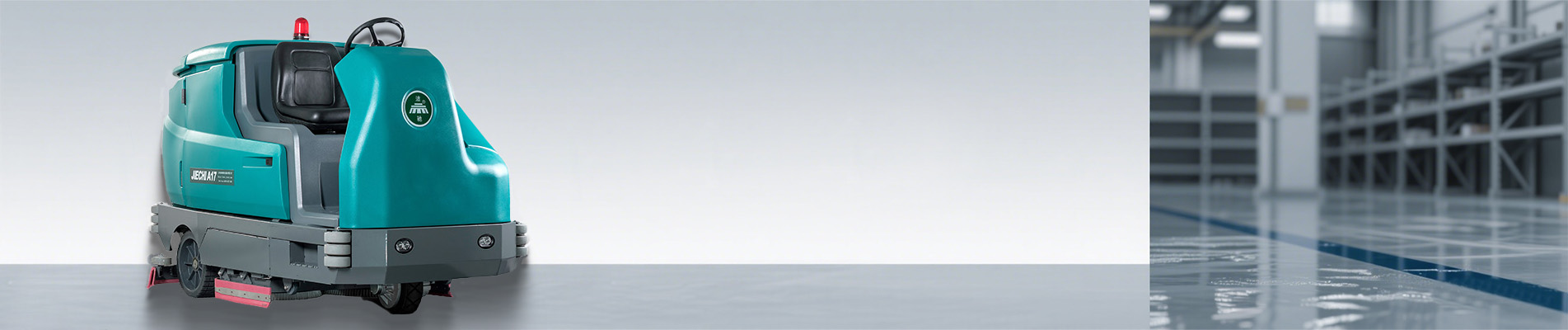
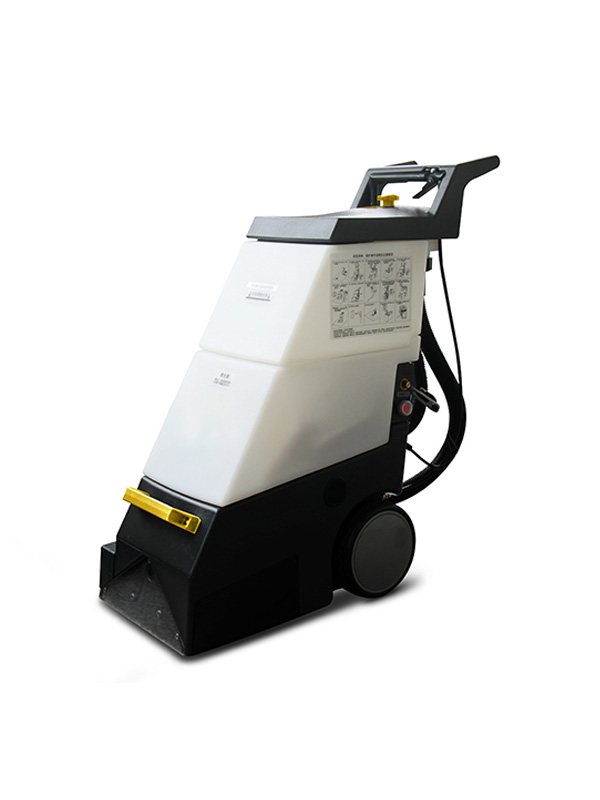
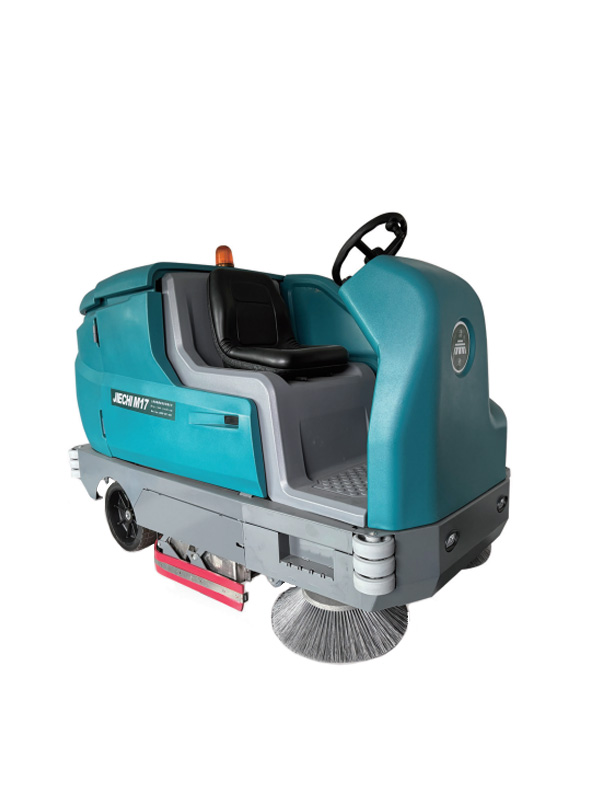
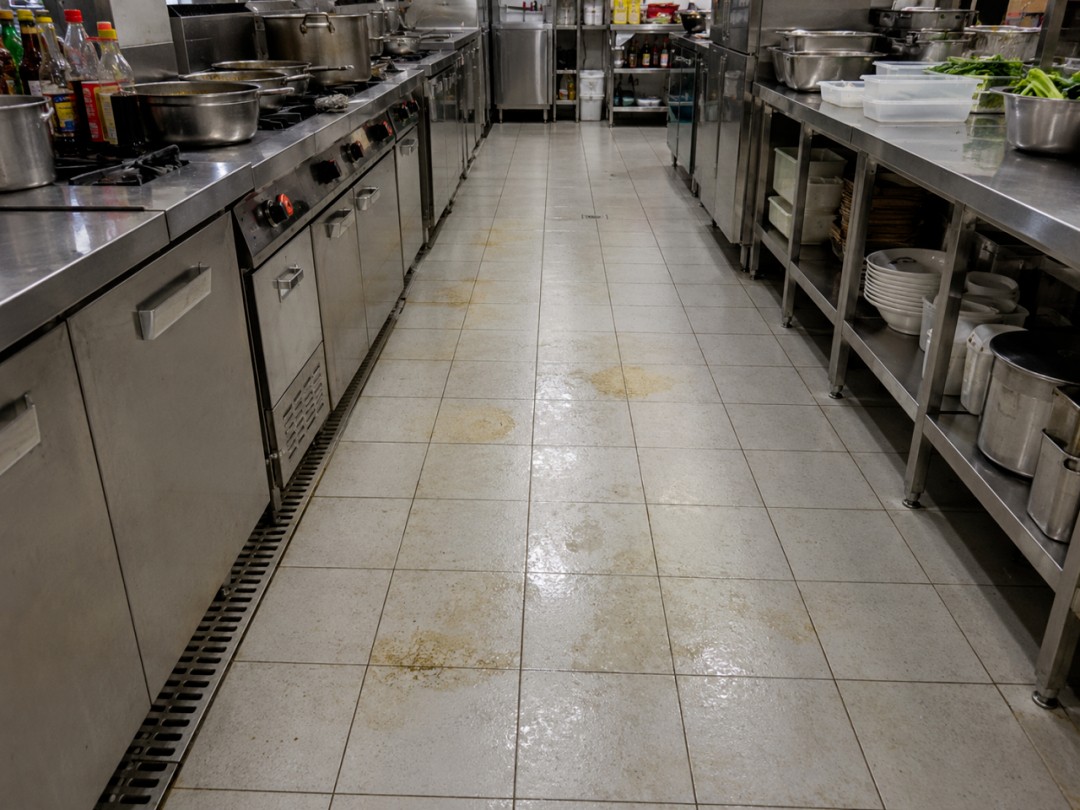
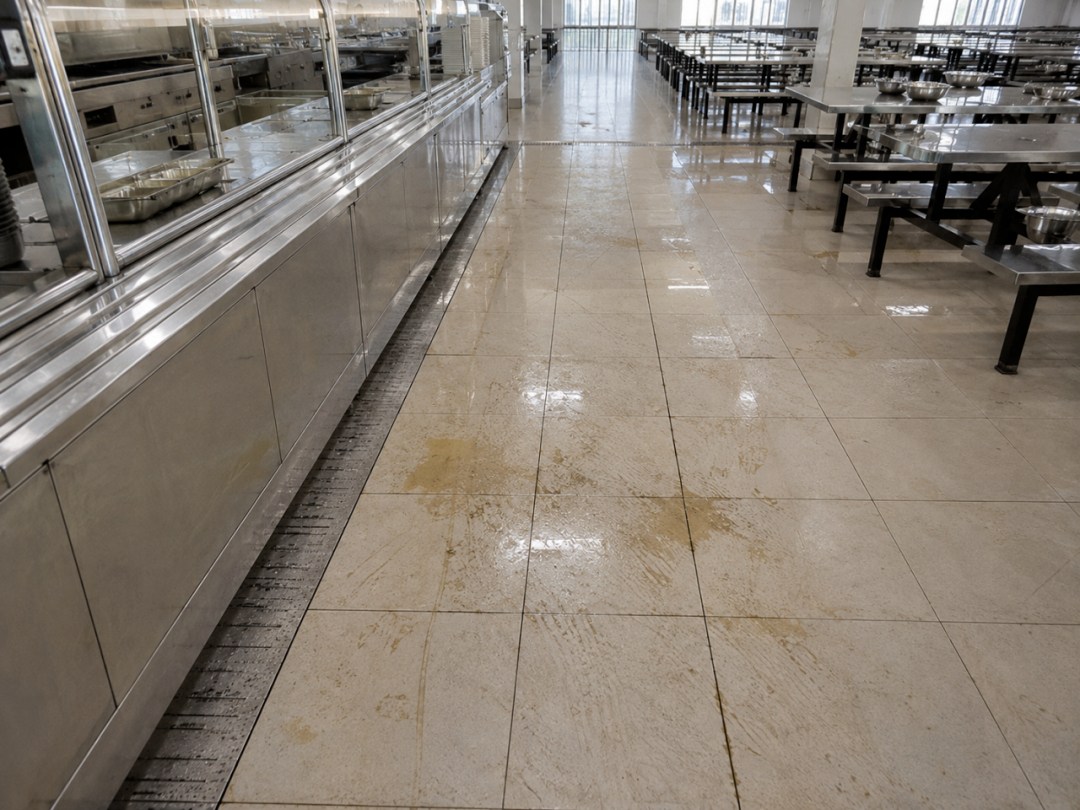
Untuk gerai katering dan dapur komersial, mengganti pel tradisional dengan mesin pembersih lantai dorong yang ringkas memberikan banyak manfaat. Fasilitas dapat secara konsisten lolos inspeksi sanitasi mendadak, secara drastis mengurangi risiko tanggung jawab yang timbul dari terpeleset dan jatuh staf, dan memangkas biaya tenaga kerja pembersihan hingga 70%.
 |  |
Mengapa Metode Mengepel Tradisional Gagal di Dapur Komersial
Pel tidak dapat sepenuhnya menghilangkan lemak—pel hanya menyebarkan kotoran berminyak ke seluruh lantai. Bantalan pel memerangkap bakteri dari satu zona dan mengkontaminasi area bersih di tempat lain. Lantai tetap basah lama setelah proses mengepel selesai, menciptakan bahaya terpeleset yang serius di area dapur yang ramai.
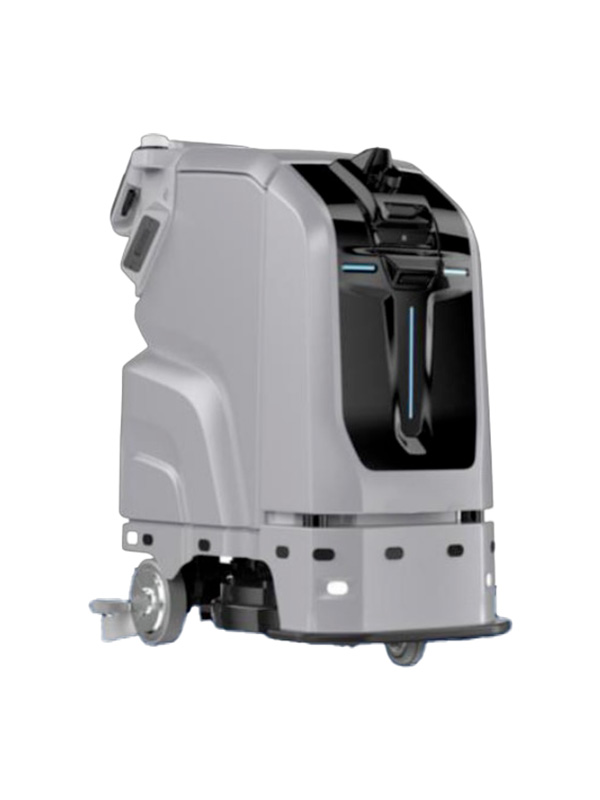
Pada tahun 2026, inspektur kesehatan secara luas mengadopsi pengujian bioluminesensi ATP untuk mengukur kebersihan lantai secara kuantitatif. Bahkan lantai yang tampak bersih tanpa noda dengan mata telanjang akan gagal dalam inspeksi jika masih terdapat residu organik yang tak terlihat. Mesin pembersih lantai dorong Jiechi A3 memiliki sikat berputar yang kuat yang memecah lapisan minyak yang tebalDilengkapi dengan alat penyedot debu yang menyedot air limbah secara bersamaan. Desain pencucian dan penyedotan all-in-one ini melarutkan lemak dalam sekali jalan dan membuat lantai benar-benar kering dalam hitungan detik—hasil yang tidak dapat dicapai dengan mengepel secara manual. Model A3D dilengkapi dengan motor penggerak terintegrasi untuk pengoperasian yang jauh lebih mudah!
Bagan Perbandingan Mengepel Manual vs. Mesin Pembersih Lantai Dorong
| Item Perbandingan | Mengepel Secara Manual | Mesin Pembersih Lantai Dorong |
| Waktu Pengeringan Lantai | 20–40 menit | 10–30 detik |
| Risiko Terpeleset Setelah Pembersihan | Tinggi | Hampir Tidak Ada |
| Waktu Kerja untuk 100㎡ Daerah | 30–45 menit | 8–12 menit |
| Tingkat Kelulusan Tes Mikroba ATP | 40%–60% | 85%–95% |
| Konsumsi Air Per Sesi Pembersihan | 20–30 L | 5–10 L (Dapat disirkulasi ulang) |
Pengembalian Investasi & Manfaat Nyata
Dapur yang beralih ke peralatan pembersihan mekanis melaporkan penurunan 85% dalam insiden terpeleset dan jatuh serta pengurangan 60% dalam denda untuk pelanggaran sanitasi. Berkat penghematan biaya tenaga kerja dan asuransi kompensasi pekerja, unit rata-rata memberikan pengembalian investasi (ROI) penuh dalam waktu 8 hingga 14 bulan.
Pertanyaan yang Sering Diajukan (FAQ)
T: Apakah mesin pembersih lantai muat di dapur yang kecil dan sempit?
A: Tentu saja. BA530BT/530ET dan A3/A3D adalah model kompak dengan Lebar pembersihan 530 mm dan kemampuan manuver putar nol derajat., sehingga memungkinkan mereka untuk melewati lorong-lorong sempit dengan mudah.
T: Bahan kimia pembersih apa yang paling ampuh untuk lantai dapur?
A: Pembersih alkali tingkat makanan direkomendasikan untuk penumpukan lemak yang membandel. Pembersih netral sudah cukup untuk perawatan rutin pada lantai keramik dan beton yang dilapisi.
T: Apakah penggunaan mesin pembersih lantai menghilangkan kebutuhan akan langkah penghilangan lemak secara terpisah?
A: Cairan pembersih pra-semprot direkomendasikan untuk lantai yang dilapisi endapan minyak tebal. Untuk pembersihan rutin harian, sistem deterjen bawaan mesin pembersih sudah memadai. Catatan penting: Selalu tambahkan zat anti-busa bersamaan dengan larutan pembersih untuk mencegah kerusakan air pada motor.

 Telepon
:+1 2403149021
Telepon
:+1 2403149021 E-mail
:kliu@jiechi.com
E-mail
:kliu@jiechi.com

Tinggalkan pesan
Pindai ke Wechat :

Pindai ke WhatsApp :

 Indonesia