
 Telepon
: +1 2403149021
Telepon
: +1 2403149021 Mail: kliu@jiechi.com
Telepon
: +1 2403149021Mail: kliu@jiechi.com


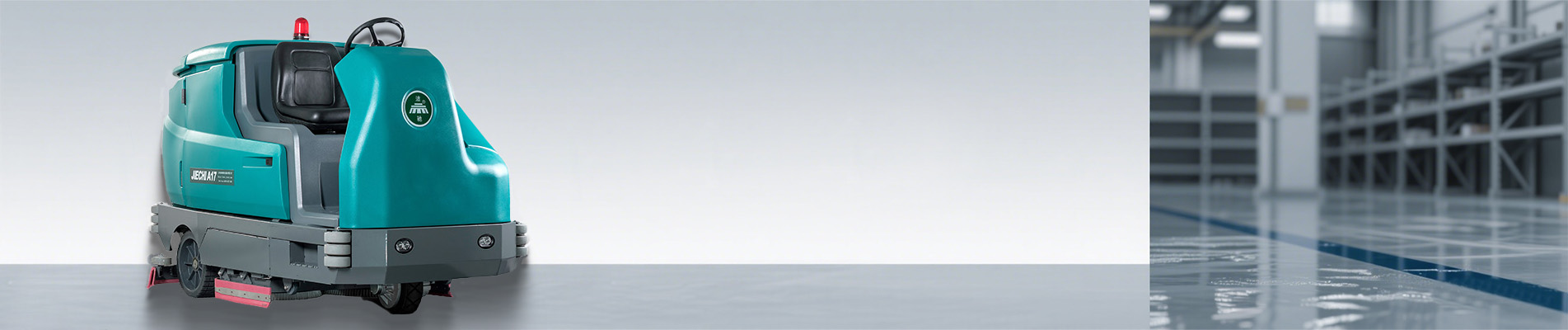
Para manajer fasilitas di tahun 2026 menghadapi serangkaian tantangan yang familiar: meningkatnya biaya tenaga kerja, kekurangan staf yang terus-menerus, dan standar kebersihan yang semakin tinggi di seluruh ruang komersial dan industri. Jawaban lama — menambah lebih banyak orang dan lebih banyak alat pel untuk mengatasi masalah — tidak lagi efektif.
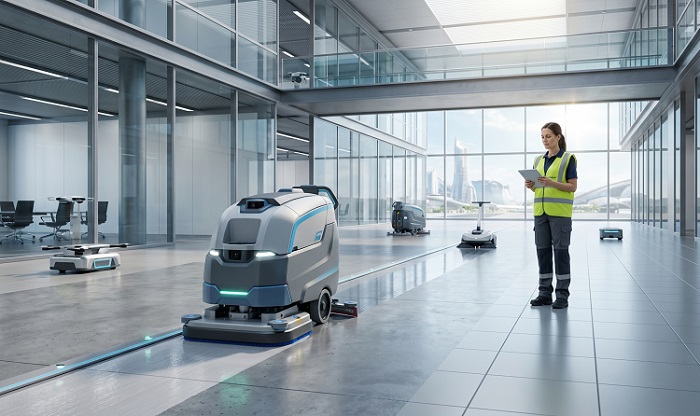
Hadirnya robot pembersih otonom. Ini bukan lagi penyedot debu yang bergerak melingkar seperti satu dekade lalu. Mesin pembersih lantai tanpa pengemudi saat ini adalah mesin canggih bertenaga AI yang mampu menavigasi lingkungan yang kompleks, membuat keputusan secara real-time, dan memberikan hasil pembersihan yang konsisten tanpa pengawasan manusia.
Dalam artikel ini, kita akan mengeksplorasi bagaimana robot pembersih otonom mengubah pemeliharaan fasilitas, teknologi apa yang mendukungnya, dan bagaimana jajaran mesin pembersih cerdas JIECHI — JC80 dan JC10 — berperan dalam revolusi ini.
Industri jasa kebersihan komersial telah lama bergantung pada tenaga kerja manual, tetapi perhitungannya kini berubah:
Robot otonom tidak sepenuhnya menggantikan petugas kebersihan manusia, tetapi mereka menambah tenaga kerjaMereka menangani pekerjaan pembersihan area luas yang berulang sehingga staf manusia dapat fokus pada pekerjaan detail, disinfeksi, dan tugas-tugas yang berhubungan langsung dengan pelanggan yang membutuhkan penilaian.
Seorang petugas kebersihan manusia mungkin membersihkan area seluas 500 m² di pagi hari dengan penuh energi, lalu kehabisan tenaga menjelang siang. Robot otonom tidak lelah. Mereka mengikuti rute yang diprogram dengan kecepatan konstan, dengan tekanan sikat yang seragam, setiap saat.
Untuk fasilitas yang mencakup ribuan meter persegi — pusat perbelanjaan, gudang logistik, rumah sakit, dan lantai pabrik — konsistensi ini sangat transformatif.
Robot pembersih modern menghasilkan data: peta cakupan, catatan pembersihan, status baterai, dan bahkan pembacaan kualitas udara. Manajer fasilitas dapat memverifikasi bahwa setiap zona telah dibersihkan sesuai jadwal — kemampuan yang tidak dapat ditandingi oleh pembersihan manual.
Apa yang membuat robot pembersih benar-benar otonom? Jawabannya terletak pada tiga pilar teknologi inti:
Robot otonom menggunakan kombinasi sensor untuk memahami lingkungannya:
Itu JIECHI JC80 menggunakan rangkaian sensor komprehensif termasuk kamera monokuler panorama, radar laser 270°, kamera kedalaman 360°, dan sensor ultrasonik — memberikan persepsi yang dibutuhkan untuk navigasi otonom yang aman di lingkungan yang dinamis.
Setelah robot mengenali lingkungannya, ia perlu merencanakan jalur:
Sistem navigasi berbasis visi dan laser pada JC80 memungkinkan pesawat ini merencanakan rute yang efisien secara mandiri dan beralih antara mode otomatis dan manual sesuai kebutuhan.
Navigasi otonom tidak berguna tanpa pembersihan yang efektif. Robot menggabungkan:
JC80 menghadirkan kinerja pembersihan 2.040 m²/jam dengan lebar pembersihan 510 mm dan konfigurasi tangki larutan/penampung 70 L yang kokoh — dirancang untuk pengoperasian otonom dalam jangka waktu lama.
Tata ruang terbuka yang luas dengan lalu lintas pejalan kaki minimal menjadikan gudang ideal untuk robot pembersih otonom. Satu unit JC80 dapat menangani pembersihan malam hari seluas 5.000–8.000 m² ruang gudang, beroperasi sesuai jadwal yang telah diprogram, dan kembali ke stasiun pengisian dayanya secara otomatis.
Pembersihan di toko ritel itu rumit — Anda tidak bisa menutup toko selama jam operasional, dan Anda tidak bisa membiarkan lantai basah di lorong yang ramai. Robot otonom kompak seperti JIECHI JC10 beroperasi di bawah 65 dB, bermanuver di sekitar pelanggan dan rak, dan mengeringkan lantai dalam sekali jalan. Ukurannya cukup kecil (52 × 42 × 49 cm) untuk membersihkan lorong sempit yang tidak dapat dijangkau oleh mesin yang lebih besar.
Standar kebersihan di bidang kesehatan tidak memberi ruang untuk kesalahan. Robot pembersih otonom dapat membersihkan dan mendisinfeksi lantai sesuai jadwal yang diprogram, memastikan setiap kamar pasien dan koridor dibersihkan dengan standar yang sama setiap siklusnya. Kombinasi pembersihan dan disinfeksi kimia memenuhi persyaratan standar rumah sakit sekaligus membebaskan staf perawat dari tugas pembersihan.
Fasilitas pendidikan mendapat manfaat dari pembersihan otomatis di luar jam kerja. Robot beroperasi saat gedung kosong, membersihkan ruang kelas, perpustakaan, dan kantin sepanjang malam. Staf datang untuk membersihkan lantai setiap pagi tanpa ada yang perlu mengepel.
Bagi para manajer fasilitas yang mengevaluasi investasi dalam robot pembersih, pengembalian investasi biasanya berasal dari:
Sebagian besar fasilitas melihat pengembalian investasi (ROI) penuh dalam waktu 12–18 bulan, dengan penghematan berkelanjutan dalam tenaga kerja dan bahan habis pakai.
Tidak setiap fasilitas membutuhkan robot yang sama. Pertimbangkan hal-hal berikut:
Jelajahi koleksi lengkap JIECHI. jajaran robot pembersih untuk menemukan kecocokan yang tepat untuk fasilitas Anda.
Pada tahun 2027–2028, diharapkan:
JIECHI secara aktif mengembangkan kemampuan ini, memanfaatkan R&D dan manufaktur internalnya untuk menghadirkan kecerdasan tingkat komersial pada peralatan pembersihan dengan harga yang terjangkau bagi fasilitas pasar menengah.
Robot pembersih otonom bukan lagi konsep futuristik — robot ini merupakan solusi praktis dan menguntungkan bagi pengelola fasilitas yang menghadapi kendala tenaga kerja dan meningkatnya tuntutan kebersihan. Baik Anda membutuhkan mesin pembersih tanpa pengemudi skala besar untuk gudang industri atau pembersih pintar yang ringkas untuk ruang ritel, teknologi saat ini mampu mewujudkannya.
Itu Mesin pembersih lantai tanpa pengemudi JC80 Dan Robot pembersih mini JC10 Mewakili dua ujung spektrum pembersihan otonom — keduanya dirancang dan diproduksi sendiri oleh JIECHI dengan dukungan OEM penuh untuk mitra global.
Tertarik untuk menghadirkan sistem pembersihan otomatis ke fasilitas Anda? Hubungi JIECHI untuk mendiskusikan kebutuhan Anda dan mendapatkan rekomendasi yang dipersonalisasi.

 Telepon
:+1 2403149021
Telepon
:+1 2403149021 E-mail
:kliu@jiechi.com
E-mail
:kliu@jiechi.com

Tinggalkan pesan
Pindai ke Wechat :

Pindai ke WhatsApp :

 Indonesia


