
 Telepon
: +1 2403149021
Telepon
: +1 2403149021 Mail: kliu@jiechi.com
Telepon
: +1 2403149021Mail: kliu@jiechi.com


Dalam hal kebersihan komersial, keberlanjutan bukan lagi sekadar pilihan tambahan—melainkan keharusan bisnis. Para manajer fasilitas di berbagai gudang, toko ritel, rumah sakit, dan pabrik manufaktur semakin sering mengajukan pertanyaan yang sama: Bagaimana kita bisa menjaga lantai tetap bersih tanpa noda sekaligus mengurangi dampak lingkungan?
Jawabannya terletak pada teknologi mesin pembersih lantai modern. Mesin pembersih canggih saat ini dirancang untuk mencapai hasil yang lebih unggul dengan air dan bahan kimia yang jauh lebih sedikit daripada metode tradisional. Artikel ini membahas secara detail bagaimana mesin pembersih lantai memungkinkan pembersihan ramah lingkungan — dan mengapa beralih ke mesin ini menguntungkan fasilitas Anda dan planet ini.
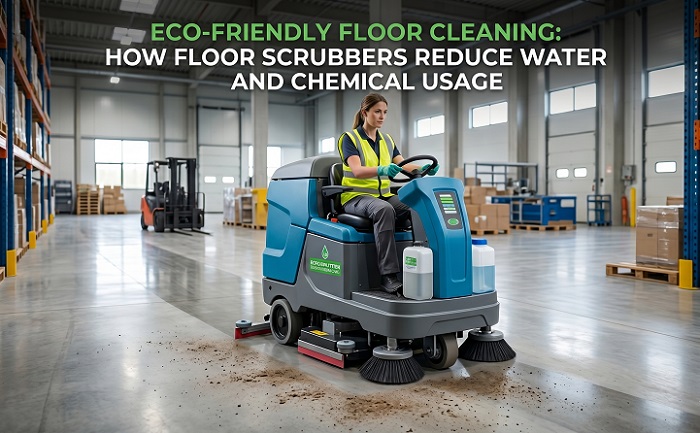
Seberapa Banyak Air yang Sebenarnya Dihemat oleh Mesin Pembersih Lantai?
Dampak paling dramatis dari mesin pembersih lantai modern adalah konservasi airMetode mengepel tradisional biasanya mengonsumsi sekitar 10 hingga 30 galon air per 1.000 kaki persegi, tergantung pada teknik dan frekuensi penggantian ember. Sebaliknya, mesin pembersih lantai otomatis hanya menggunakan sebagian kecil dari jumlah tersebut.
Contoh tipikal mesin pembersih lantai dorong menggunakan kira-kira 1 hingga 3 galon air per 1.000 kaki persegi — pengurangan hingga 90%. Mesin pembersih lantai yang bisa dinaikiDengan tangki yang lebih besar dan sistem aliran yang dioptimalkan, fasilitas ini mencapai efisiensi serupa dalam skala yang lebih besar. Sepanjang tahun, fasilitas yang membersihkan area seluas 50.000 kaki persegi setiap hari dapat menghemat lebih dari... 50.000 galon air cukup dengan mengganti kain pel dengan sikat gosok.
Namun bagaimana cara kerjanya? Mesin pembersih lantai dilengkapi dengan sistem aliran larutan yang dikontrol secara presisi. Alih-alih menuangkan sejumlah besar air ke lantai dan berharap yang terbaik, mesin ini mengeluarkan lapisan larutan pembersih yang halus dan konsisten langsung di depan sikat atau bantalan. Kemudian, bagian penggosok mengaduk dan mengangkat kotoran, sementara sistem pengering dan penyedot debu segera mengumpulkan kembali air kotor. Proses tertutup ini memastikan bahwa air hanya digunakan di tempat yang dibutuhkan dan segera dikumpulkan kembali — tidak ada pemborosan, tidak ada limpasan yang tidak perlu.
Reduksi Kimia: Lebih Sedikit Lebih Baik
Yang tak kalah penting adalah pengurangan penggunaan bahan kimia pembersih. Mengepel secara tradisional seringkali membutuhkan konsentrasi deterjen yang lebih tinggi untuk mengimbangi ketidakefisienan metode tersebut. Dengan mesin pembersih lantai, kombinasi aksi penggosokan mekanis dan pengeluaran bahan kimia yang tepat berarti Anda dapat mencapai hasil yang lebih baik dengan Penggunaan larutan pembersih berkurang 50% hingga 70%..
Inilah alasannya:
Untuk fasilitas yang menggunakan produk pembersih bersertifikasi ramah lingkunganKombinasi ini sangat ampuh. Mesin pembersih lantai memungkinkan Anda menggunakan deterjen nabati dengan konsentrasi lebih rendah tanpa mengurangi performa pembersihan.
Di Luar Air dan Bahan Kimia: Manfaat Lingkungan yang Lebih Luas
Keunggulan ramah lingkungan dari mesin pembersih lantai melampaui penghematan sumber daya secara langsung.
Pengurangan pembuangan air limbah. Air bekas mengepel biasanya dibuang ke saluran pembuangan, membawa residu kimia ke sistem air setempat. Mesin pembersih lantai mengumpulkan air bekas di tangki penampungan, yang dapat dibuang dengan benar — atau dalam beberapa kasus, diolah dan digunakan kembali.
Konsumsi energi lebih rendah per siklus pembersihan. Meskipun mesin pembersih lantai membutuhkan listrik untuk beroperasi, total jejak energi per kaki persegi yang dibersihkan seringkali lebih rendah daripada gabungan energi untuk memanaskan air pel, menjalankan mesin pemeras pel, dan ventilasi selama waktu pengeringan.
Masa pakai lantai yang lebih lama. Mesin pembersih lantai menerapkan tekanan dan cakupan bahan kimia yang konsisten, mengurangi pola keausan dan kerusakan permukaan. Ini berarti lebih sedikit proyek restorasi lantai — menghemat material, tenaga kerja, dan limbah yang terkait dengan pemolesan ulang atau penggantian lantai.
Kualitas udara dalam ruangan yang lebih sehat. Karena mesin pembersih lantai langsung menyedot air kotor dan lantai kering dalam hitungan menit (bukan 30 menit atau lebih seperti saat mengepel), maka lebih sedikit kelembapan yang tersisa untuk memicu pertumbuhan jamur, lumut, atau bakteri. Hal ini menciptakan lingkungan yang lebih sehat bagi karyawan, pelanggan, dan pasien.
Sertifikasi Pembersihan Ramah Lingkungan: Apa yang Harus Dicari
Jika kepatuhan terhadap standar lingkungan merupakan prioritas bagi fasilitas Anda, carilah mesin pembersih lantai dan bahan pembersih yang memenuhi standar yang diakui:
Banyak mesin pembersih lantai modern dari Pembersihan Jiechi Kompatibel dengan bahan kimia bersertifikasi ramah lingkungan dan dirancang untuk mengoptimalkan kinerjanya, membantu fasilitas dalam upaya memperoleh sertifikasi keberlanjutan.
Tips Praktis untuk Memaksimalkan Pembersihan Lantai Ramah Lingkungan
Bahkan dengan peralatan yang tepat, penyesuaian operasional kecil dapat lebih mengurangi dampak lingkungan Anda:
Beralih ke Mesin Pembersih Lantai Ramah Lingkungan: Apakah Mesin Pembersih Lantai Ramah Lingkungan Tepat untuk Fasilitas Anda?
Jika fasilitas Anda saat ini menggunakan pel dan ember, atau mengoperasikan model mesin pembersih lantai yang lebih tua, peningkatan ke mesin pembersih lantai modern yang hemat air adalah salah satu investasi keberlanjutan yang paling berdampak yang dapat Anda lakukan. Penghematan air saja sering kali menutupi biaya peralatan dalam tahun pertama, dan pengurangan penggunaan bahan kimia memberikan penghematan operasional berkelanjutan.
Bagi fasilitas yang sudah menggunakan scrubber, penyesuaian sederhana — seperti mengoptimalkan laju aliran larutan dan beralih ke bahan kimia pekat bersertifikasi ramah lingkungan — dapat memberikan keuntungan lingkungan yang terukur tanpa perlu membeli peralatan baru.
Kesimpulan
Pembersihan lantai ramah lingkungan bukan berarti mengorbankan kebersihan demi keberlanjutan. Berkat teknologi mesin pembersih lantai modern, Anda dapat mencapai keduanya. Dengan mengurangi konsumsi air secara drastis, memangkas penggunaan bahan kimia hingga setengahnya atau lebih, dan meningkatkan kualitas udara dalam ruangan, mesin pembersih lantai otomatis mengubah makna pembersihan secara bertanggung jawab.
Di Jiechi Cleaning, kami berkomitmen untuk menyediakan solusi pembersihan yang efisien dan berkelanjutan yang membantu fasilitas di seluruh dunia menjaga lantai tetap bersih tanpa noda sekaligus melindungi lingkungan.
Punya pertanyaan tentang memilih mesin pembersih lantai ramah lingkungan yang tepat untuk fasilitas Anda? Hubungi tim kami hari ini — kami siap membantu Anda membersihkan dengan lebih cerdas, bukan lebih keras. 🌍

 Telepon
:+1 2403149021
Telepon
:+1 2403149021 E-mail
:kliu@jiechi.com
E-mail
:kliu@jiechi.com

Tinggalkan pesan
Pindai ke Wechat :

Pindai ke WhatsApp :

 Indonesia


