
 Telepon
: +1 2403149021
Telepon
: +1 2403149021 Mail: kliu@jiechi.com
Telepon
: +1 2403149021Mail: kliu@jiechi.com


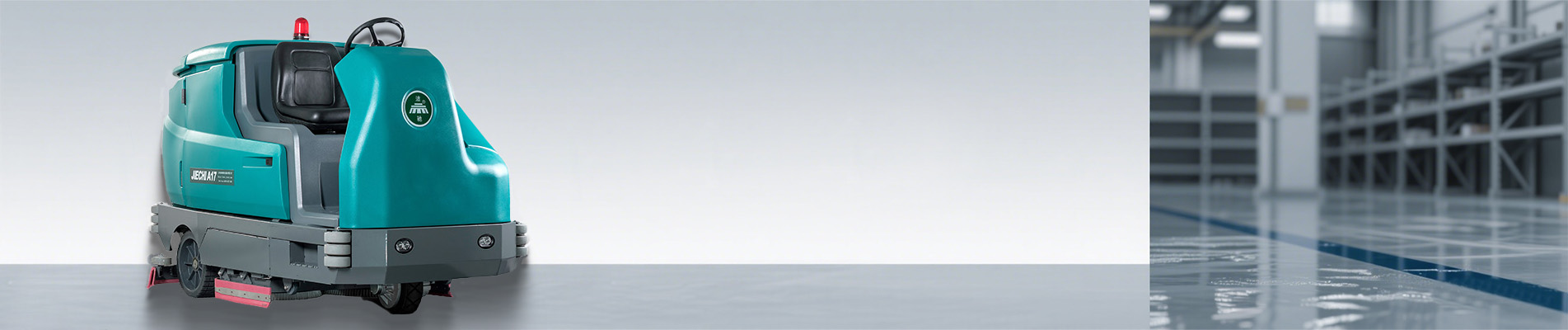
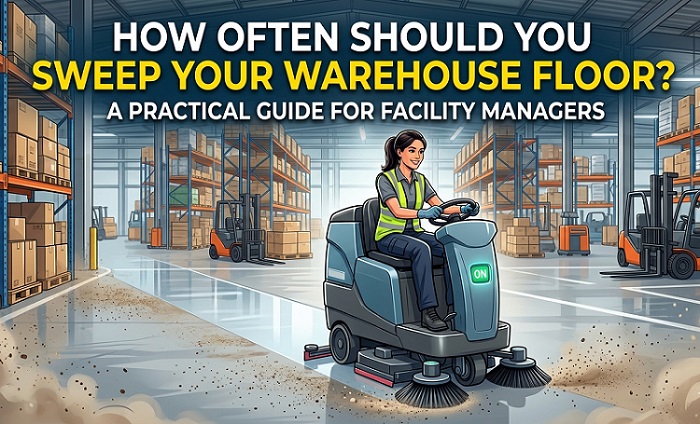
Menjaga kebersihan lantai gudang bukan hanya soal penampilan—hal ini berdampak langsung pada keselamatan kerja, umur pakai peralatan, dan efisiensi operasional. Tetapi seberapa sering Anda sebenarnya harus menjalankan pembersihan lantai gudang? penyapu lantai Apakah Anda menggunakan fasilitas Anda? Jawabannya tidak bisa disamakan untuk semua. Hal ini bergantung pada volume lalu lintas, jenis puing yang dihasilkan operasi Anda, dan persyaratan khusus industri.
Mengapa Menyapu Secara Teratur Itu Penting
Sebelum membahas frekuensi, ada baiknya memahami mengapa penyapuan secara konsisten sangat penting. Lantai gudang yang bersih:
Frekuensi Penyapuan berdasarkan Jenis Fasilitas
Berbagai jenis gudang memiliki kebutuhan pembersihan yang sangat berbeda. Berikut adalah uraian praktisnya:
Pusat Distribusi dengan Lalu Lintas Tinggi (30.000+ kaki persegi)
Fasilitas-fasilitas ini selalu dilalui oleh forklift dan pejalan kaki, dengan puing-puing yang datang setiap hari melalui pengiriman barang masuk dan pesanan keluar. Penyapuan sebaiknya dilakukan setidaknya sekali sehari., dan dalam operasi yang lebih sibuk, dua kali sehari — sekali di pertengahan pagi dan sekali setelah shift terakhir. A penyapu lantai yang dapat dinaiki adalah pilihan paling efisien di sini, karena dapat mencakup area luas dengan cepat tanpa mengalihkan operator dari tugas lain terlalu lama.
Fasilitas Manufaktur dan Produksi
Bengkel yang menghasilkan serpihan logam, debu kayu, butiran plastik, atau limbah kemasan memerlukan pembersihan yang lebih sering. Lakukan penyapuan setidaknya 2-3 kali sehari.Terutama di sekitar jalur produksi dan area pemuatan. Puing-puing berat harus segera dibersihkan untuk mencegahnya hancur dan terhimpit di lantai oleh mesin.
Gudang Komersial Ringan (di bawah 20.000 kaki persegi)
Fasilitas yang lebih kecil dengan volume lalu lintas yang lebih rendah biasanya dapat mengatasinya dengan menyapu setiap 2-3 hari. A penyapu lantai dorong sangat cocok untuk aplikasi ini, menawarkan hasil yang baik tanpa biaya lebih tinggi seperti mesin yang dikendarai.
Fasilitas Penyimpanan Dingin dan Fasilitas untuk Pengolahan Makanan
Lingkungan-lingkungan ini memiliki persyaratan kebersihan yang lebih ketat. Penyapuan harian wajib dilakukanDan banyak operator memilih untuk menyapu setelah setiap pergantian shift untuk mencegah penumpukan partikel makanan yang dapat menarik hama. Carilah penyapu dengan sistem filtrasi HEPA untuk menangkap debu halus tanpa menyebarkan kontaminan.
Area Luar Ruangan dan Dermaga Pemuatan
Area bongkar muat, tempat parkir, dan jalan setapak di luar gedung mengumpulkan dedaunan, kerikil, dan puing-puing yang terbawa angin. Bersihkan area ini 2–3 kali per minggu., atau lebih sering jika lokasi Anda mengalami masalah sampah musiman seperti daun berguguran atau garam jalanan di musim dingin.
Tanda-tanda Anda Perlu Menyapu Lebih Sering
Apa pun jadwal yang Anda tetapkan, perhatikan tanda-tanda peringatan berikut yang menunjukkan bahwa frekuensi Anda saat ini tidak cukup:
Jika Anda melihat salah satu dari hal-hal tersebut, tingkatkan frekuensi menyapu Anda — dan pertimbangkan apakah mesin penyapu lantai Anda saat ini merupakan model yang tepat untuk beban kotoran yang ada.
Memilih Mesin Penyapu Lantai yang Tepat untuk Jadwal Anda
Frekuensi pemindaian Anda hanyalah setengah dari persamaan — peralatan Anda perlu mengimbanginya. Berikut beberapa tips:
Mengapa Mesin Penyapu Lantai Jiechi Dibuat untuk Pekerjaan Ini?
Pada Pembersihan JiechiKami mendesain mesin penyapu lantai kami untuk kondisi industri dan komersial di dunia nyata. Baik Anda membutuhkan model yang kokoh untuk dikendarai di pusat distribusi yang sibuk atau mesin penyapu dorong yang lincah untuk bengkel, mesin kami memberikan kinerja yang konsisten dari shift ke shift.
Setiap penyapu Jiechi memiliki fitur-fitur berikut:
Tidak Yakin Frekuensi Penyapuan Mana yang Tepat untuk Anda?
Setiap fasilitas berbeda, dan jadwal yang tepat bergantung pada operasional spesifik Anda. Hubungi Jiechi hari ini dan tim kami dapat membantu Anda mengevaluasi kebutuhan pembersihan Anda — dan merekomendasikan penyapu lantai dan rutinitas perawatan yang tepat untuk menjaga gudang Anda tetap aman, bersih, dan produktif.

 Telepon
:+1 2403149021
Telepon
:+1 2403149021 E-mail
:kliu@jiechi.com
E-mail
:kliu@jiechi.com

Tinggalkan pesan
Pindai ke Wechat :

Pindai ke WhatsApp :

 Indonesia


